Securing Transport Routes in 2024
Investigating the Benefits of Selecting Bulk Trucking for Your Shipping Needs
Bulk freight transport presents a strategic option for organizations striving to improve their supply chain. By consolidating shipments, businesses are able to realize significant cost savings and decrease their ecological impact. Moreover, this approach provides improved reliability and flexibility in delivery schedules - Illinois top rated Bulk Trucking. Since the environment of transport operations develop, grasping the specifics of bulk freight transport is critical for securing market superiority. What further benefits could this strategy uncover for contemporary companies?
Lowering Costs Using Economies of Scale
Although many businesses are dealing with increasing shipping expenses, this method delivers significant cost savings through the principle of scale efficiency. By consolidating shipments, companies can reduce the per-unit cost of transportation, as greater volumes enable optimized resource deployment such as fuel and labor. This optimization leads to decreased operational spending, making bulk trucking an attractive option for businesses looking to optimize their logistics.
Additionally, bulk trucking minimizes the amount of travel needed, which results in additional cost reduction associated with upkeep of trucks and staff salaries. Firms may obtain more favorable fees with carriers when agreeing to bigger loads, enabling them to benefit from lower delivery charges. Consequently, firms may dedicate their cost reductions towards other functions, enhancing their competitive edge. In the end, bulk haulage's cost benefits position it as a smart decision for companies seeking to increase profitability while keeping logistics running smoothly.
Decreased Impact on the Environment
This method plays a major role in a lower ecological footprint, establishing it as a sustainable solution for moving goods. Through the grouping of loads, bulk trucking minimizes the amount of journeys needed to ship items, which thereby reduces assessment gasoline usage and harmful emissions. This efficient method of transporting large quantities of materials allows for fewer vehicles on the road, easing road blockage and strain on public works.
Moreover, many bulk trucking companies are moving toward environmentally friendly operations, such as utilizing fuel-efficient vehicles and streamlining delivery routes to further decrease their carbon footprint. The use of advanced technologies in transport management helps in tracking pollution and improving total effectiveness. As businesses increasingly prioritize sustainability, selecting bulk hauling doesn't just support green efforts but also aligns with corporate social responsibility goals. Thus, bulk transport acts as an effective answer for businesses looking to reduce their ecological footprint while still meeting their transportation needs.
Better Transit Times and Trustworthiness

When businesses opt for bulk transport for their transportation needs, they frequently see faster delivery speeds and improved consistency. This mode of transportation is designed to efficiently handle large quantities of goods, reducing the number of trips required. Through combining loads, firms can lessen delays linked to pickup and drop-off, which translates to accelerated shipping.
Moreover, bulk trucking typically involves fewer stops, thereby optimizing the transit procedure. A lot of bulk transport firms use modern logistics and tracking systems, providing real-time updates which boosts openness and dependability. This transparency allows firms to plan better, confirming timely product arrival.
Furthermore, the reliability of bulk trucking is bolstered by experienced drivers and properly serviced trucks, lessening the possibility of malfunctions or delays. In turn, companies can depend on bulk trucking services to regularly meet their delivery schedules, which ultimately boosts client happiness and solidifying business connections.
Enhanced Load Capacity and Flexibility
Although many shipping methods restrict cargo volume, bulk trucking offers enhanced load capacity that allows companies to transport substantial quantities of goods in a single haul. This capability is particularly beneficial for industries requiring the movement of large volumes, such as agriculture, construction, and mining. Employing vehicles tailored for bulk cargo, businesses can optimize their shipping processes, minimizing the hauls necessary for delivery.
Moreover, bulk hauling allows adaptability in cargo setup, handling different kinds of materials, like grains, liquids, and powders. This flexibility helps firms adjust to evolving needs and manage their supply chain effectively without compromising on capacity. By leveraging the enhanced load capacity and flexibility of bulk trucking, firms can simplify their workflows, lower transport expenditures and guarantee a more reliable delivery process. In the end, this choice offers a viable answer for businesses looking to optimize transport effectiveness and meet customer expectations.
Optimized Logistics Network Control
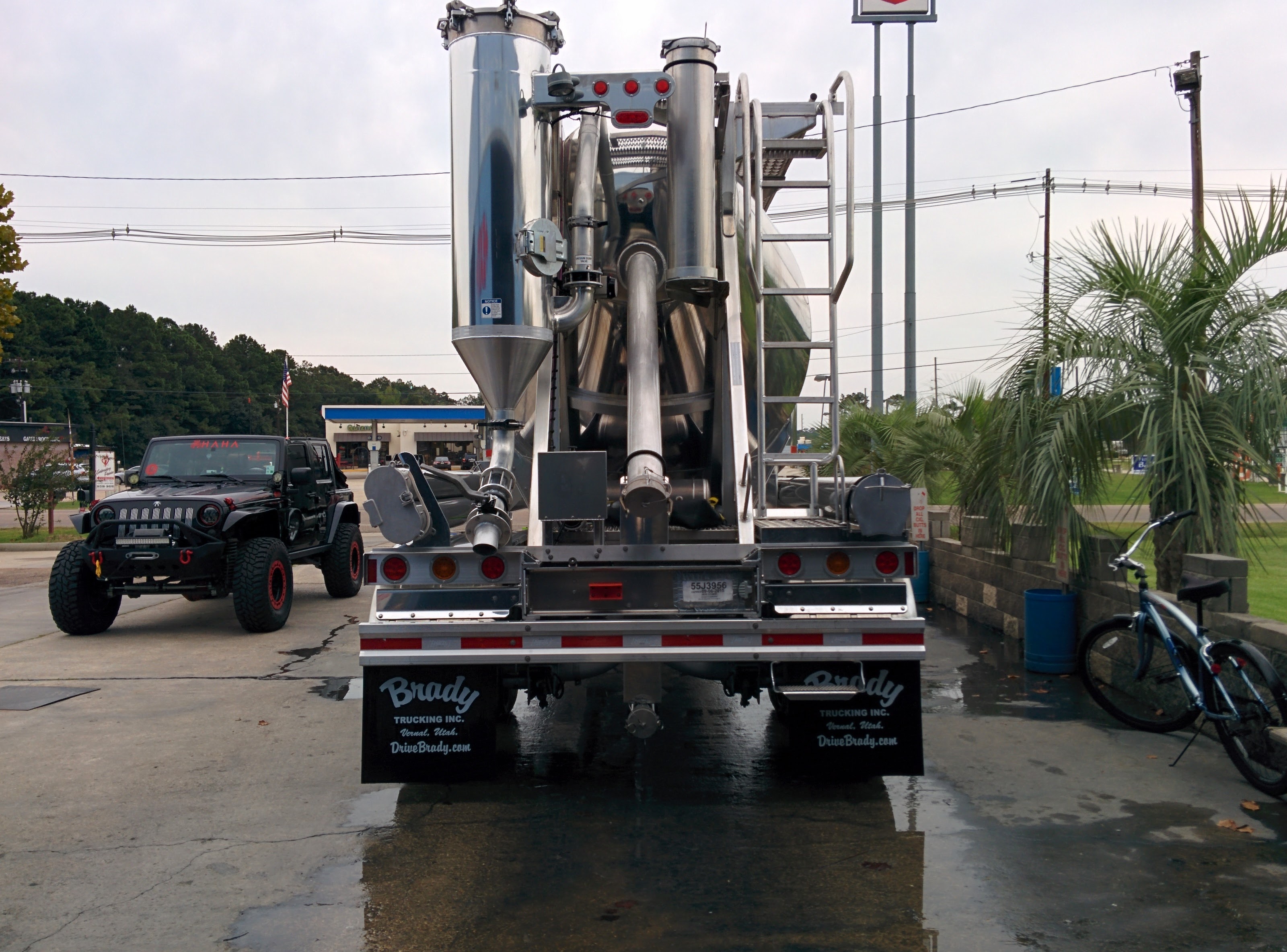
Better supply chain management is easier to achieve with the incorporation of mass hauling into logistics operations. By consolidating shipments, businesses can lower shipping expenses and improve delivery times. Bulk trucking facilitates the movement of greater volumes of cargo in reduced travel, reducing the hassle involved in numerous deliveries. This efficiency enables improved stock control, as companies can get and send out goods much faster.
Moreover, bulk trucking improves coordination and coordination among SCM stakeholders. With less transporters utilized, shipment visibility is streamlined, which provides greater clarity and more rapid responses to any issues that may arise. The dependability of bulk trucking also makes certain that goods arrive at their destinations in excellent shape, minimizing the possibility of delays or damages. Overall, incorporating mass transport into supply chain strategies promotes a more integrated and streamlined transport system, aiding enterprises and their clientele equally.
Common Queries
What Cargo Is Most Appropriate for Mass Transport?
Mass transport is perfect for shipping high volumes of cargo such as crops, building supplies, industrial compounds, and groceries. These goods gain from streamlined, affordable transport options, minimizing manipulation and decreasing transit expenses.
What Is the Process for Finding a Dependable Transport Company?
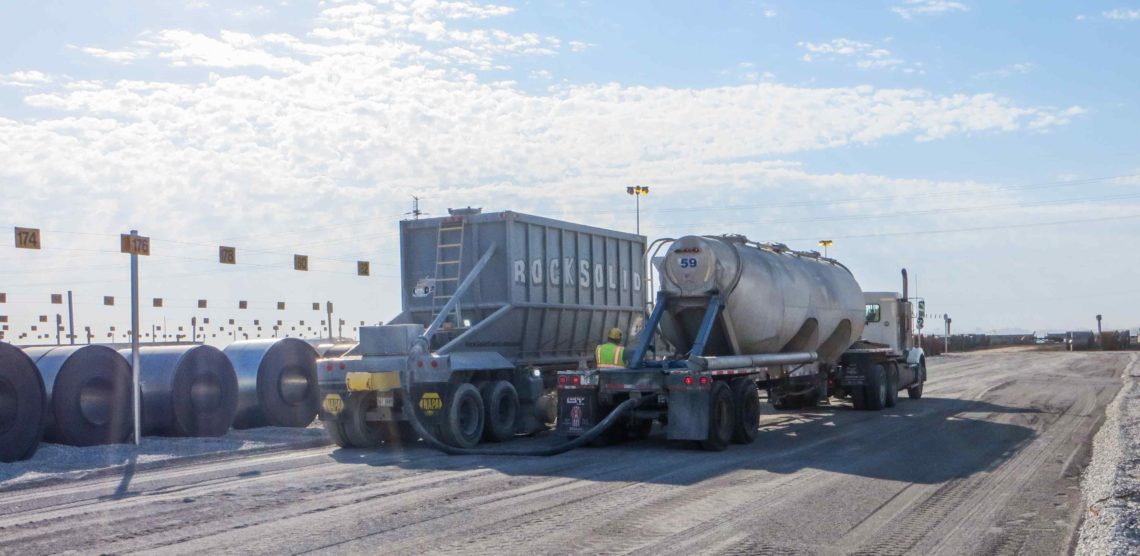
To find a reliable bulk trucking provider, one should research online reviews, solicit advice from other businesses, check necessary permits, and compare quotes - Illinois top rated Bulk Trucking. Additionally, checking the hauler's background and vehicle resources is essential for selecting wisely
What is the Typical Delivery Period for Mass Deliveries?
The average transit time for bulk shipments typically ranges from 24 to 72 hours, varying by the route length, road quality, and the type of cargo. Changes in these elements can significantly alter transit times.
Are There Limits on Mass for Large Cargo Deliveries?
Yes, bulk trucking loads are usually subject to weight limits, which differ by region and equipment used. Illinois top rated Bulk Trucking. Statutes provide safety and compliance, typically restricting loads to roughly 80,000 pounds for typical commercial vehicles on interstates
Is Bulk Transport Accommodate Temperature-Controlled Freight?
Absolutely, bulk trucking can accommodate goods requiring climate control through the use of dedicated machinery, including temperature-controlled vans. This capability ensures that sensitive products preserve their required temperatures while in transport, protecting freshness and integrity.