Maximizing Commodity Moves Warehouse Links
Bulk Trucking Explained: Essential Services for Efficient Cargo Movement
Bulk hauling acts as a crucial component in the process of hauling substantial amounts of cargo. It spans numerous sectors, ensuring that materials are transported effectively and cost-effectively. By utilizing specialized vehicles, this service minimizes the risks associated with handling and enhances delivery speed. Nevertheless, the environment of bulk trucking is evolving. Grasping its complexities can provide insights into its increasing importance in modern supply chains. What components result to its effectiveness?
What Is Bulk Trucking?
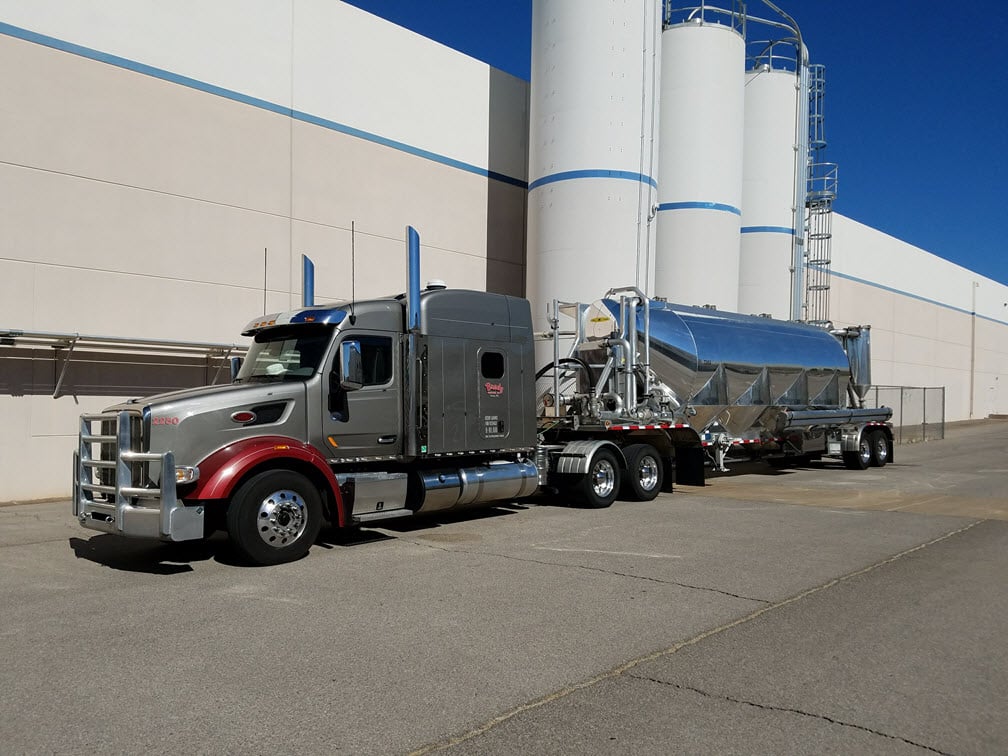
Bulk trucking refers to the transportation of large quantities of goods, usually in liquid or granular state, using specialized vehicles. This method is essential for businesses requiring the movement of significant cargo, such as agriculture, chemicals, and construction. Specialized bulk vehicles, such as tankers for fluids and hopper trucks for dry materials, are built to effectively handle and transport these bulk commodities.
The logistics of bulk trucking require meticulous organization and coordination, making certain the appropriate truck is utilized for distinct cargo to prevent contamination and damage. In addition, regulations governing bulk transport require adherence to safety standards, especially concerning dangerous goods.
Bulk hauling is instrumental in the supply chain, facilitating the timely delivery of necessary supplies while optimizing costs associated with transportation. By employing this technique, businesses can streamline their operations, securing an uninterrupted movement of materials necessary for production and related activities.
Major Advantages of Bulk Transport
While many transportation methods exist, bulk trucking delivers specific upsides that can greatly enhance operational efficiency for numerous sectors. One significant benefit is cost-effectiveness; bulk trucking typically lowers the cost per unit shipped due to the ability to transport big loads concurrently. This efficiency results in reduced total hauling costs, rendering it a desirable choice for businesses.
Additionally, bulk trucking provides flexibility in planning and navigation, letting businesses respond swiftly to evolving needs. The capacity to move various kinds of cargo, from raw materials to consumer goods, makes it even more appealing.
Furthermore, bulk trucking can accelerate transit times, as optimized processes and direct routes reduce the time spent in transit. Improved load management also results in less handling, reducing the chance of damage while moving cargo. Taken together, these key benefits position bulk trucking as an vital logistical tool for industries demanding reliability and efficiency in their supply chains.
Types of Bulk Cargo Transported
A wide range of industries utilize bulk trucking to transport a wide range of cargo types. Among the most common types includes agricultural products, such as grains, fertilizers, and animal feed. This cargo is usually moved in massive amounts, necessitating specialized bulk trucks designed for effective loading and unloading.
Furthermore, construction materials like sand, gravel, and cement are commonly moved using bulk trucking services. These goods are crucial to various construction projects and demand on-time delivery to maintain project schedules.
Chemical products, including liquids and dry chemicals, also make up a large part of bulk cargo. These substances demand prudent handling and compliance with safety regulations in transit.
Moreover, food products, such as sugar and flour, are transported in bulk to fulfill manufacturing and distribution requirements. Overall, the diversity of bulk cargo types highlights the versatility and significance of bulk trucking in aiding diverse economic sectors.
The Role of Technology in Bulk Trucking
How has technology transformed the landscape of bulk trucking? The use of advanced technology has significantly improved efficiency and safety within the bulk trucking industry. GPS tracking allows for real-time monitoring of cargo and vehicle locations, which helps ensure timely deliveries and improved route planning. Furthermore, telematics has emerged as an essential tool, offering key data regarding vehicle performance, fuel consumption, and driver behavior, ultimately leading to cost savings and reduced environmental impact
(Illinois top rated Bulk Trucking)In addition, automated systems for inventory management optimize loading and unloading processes, reducing delays and increasing productivity. Communication technologies also play a significant role, joining drivers, fleet supervisors, and customers seamlessly. This integration promotes openness and enhances customer service by giving reliable status reports on shipment status. As the industry continues to evolve, these technological advancements will continue to transform bulk hauling, pioneering new methods and improving service quality in a highly competitive space
Choosing the Right Bulk Trucking Service
Selecting the appropriate bulk trucking service is essential for companies aiming to optimize their logistics operations. Firms ought to commence by reviewing their particular material demands, comprising the nature of the materials moved and the sheer amount. Checking the copyright's history with managing comparable loads can provide insight into their capabilities.
Furthermore, businesses should consider the service's operational reach, ensuring that the trucking company can promptly get to the planned endpoints. A second key consideration involves the company's safety performance and adherence to sector rules, that heavily affects the total trustworthiness of the operation.
Cost is also a key get going consideration; however, businesses should weigh pricing versus the standard of service to prevent giving up on important factors. In conclusion, customer service and methods of communication are essential in maintaining transparency during the entire delivery operation. By carefully analyzing these aspects, firms may pick a bulk hauling partner which fits their functional demands and objectives.
Q&A Section
What Are the Typical Costs Associated With Bulk Trucking Services?
Typical costs associated with bulk trucking services involve gasoline charges, pay for drivers, upkeep charges, policy costs, and highway charges. In addition, fees might change depending on the mileage, cargo type, and market demand, influencing the final rate schedules.
How Do I Prepare My Cargo for Bulk Trucking?

In order to prepare freight for bulk hauling, ensure adequate wrapping, secure load stability, verify weight limits, and mark the items distinctly. Furthermore, check for any wear and tear and follow safety regulations to allow for smooth transit and drop-off.
Which Safety Rules Govern in Bulk Transport?
Safety regulations for bulk trucking include adhering to weight limits, ensuring cargo is properly secured, following hazmat protocols, routine truck maintenance checks, and driver training requirements to guarantee safe transportation and reduce the chance of accidents. - Illinois top rated Bulk Trucking
- Illinois top rated Bulk Trucking
What Measures Do Bulk Carriers Take for Delays?
Bulk trucking companies handle setbacks by providing upfront client communication, revising delivery schedules, and changing routes when necessary. They also employ technological tools to monitor shipments, ensuring timely updates and reducing supply chain interruptions.
Can Bulk Trucking Accommodate International Shipping?
Certainly, bulk transport supports global shipping by collaborating with logistics partners and employing appropriate gear. These companies guarantee compliance with international regulations, facilitating seamless cross-border transport for various bulk commodities while maintaining efficiency and safety.