Developing Capacity Planning Cost Reduction
Exploring the Advantages of Using Bulk Trucking for Your Transportation Requirements
Bulk freight transport offers a strategic choice for organizations striving to make their logistics more efficient. Through shipment consolidation, organizations can obtain major financial benefits and decrease their ecological impact. In addition, this method offers enhanced trustworthiness and versatility in transport timetables - Illinois top rated Bulk Trucking. Since the environment of supply chain management evolves, grasping the specifics of bulk freight transport is vital for keeping an advantage. What other advantages might this approach reveal for contemporary companies?
Cost Savings Through Economies of Scale
Despite many firms are encountering higher transport fees, bulk trucking offers significant cost savings through the principle of scale efficiency. By consolidating shipments, companies can reduce the cost to transport each item, as larger quantities allow for optimized resource deployment such as workers and gasoline. This efficiency translates to decreased operational spending, thereby positioning bulk haulage as an attractive option for firms aiming to improve their transport operations.
Moreover, bulk trucking minimizes the number of necessary journeys, which further decreases costs associated with fleet servicing and labor costs. Businesses are able to secure improved pricing with carriers when promising greater quantities, allowing them to gain from decreased transport costs. As a result, companies are able to direct their financial gains towards different parts of the business, boosting their competitiveness. In the end, the economic advantages of bulk trucking establish it as a key strategy for organizations aiming to improve their bottom line while ensuring effective transport management.
Minimizing Environmental Harm
Bulk transport significantly helps achieve a reduced environmental impact, positioning it as a green option for shipping. When combining deliveries, bulk trucking minimizes the frequency of travel to ship items, which thereby reduces gasoline usage and harmful emissions. The streamlined approach to transporting large quantities of materials allows for fewer vehicles on the road, lessening traffic jams and wear on infrastructure.
Furthermore, many bulk trucking companies are adopting more sustainable practices, such as deploying energy-saving fleets and optimizing routing to lower their emissions substantially. Employing modern technology in the supply chain helps in monitoring emissions and improving total effectiveness. As businesses increasingly prioritize sustainability, selecting bulk hauling helps environmental initiatives but also aligns with corporate social responsibility goals. As a result, bulk hauling offers a viable option for firms aiming to minimize their environmental damage while still fulfilling their shipping requirements.
Faster Shipping and Greater Reliability
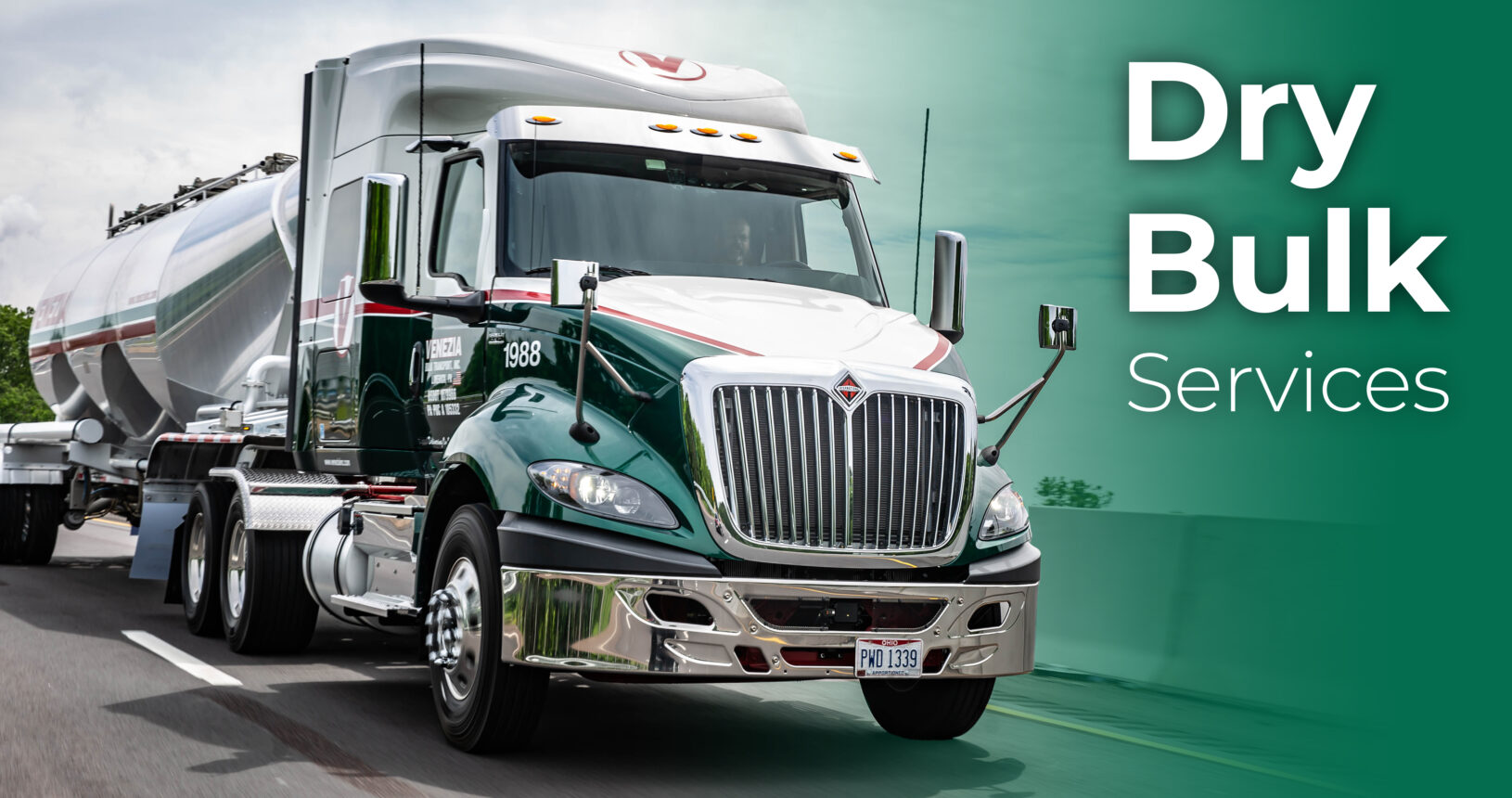
When companies choose bulk trucking for their shipping requirements, they frequently see faster delivery speeds and increased dependability. This mode of transportation is designed to efficiently handle large quantities of goods, cutting down on the necessary journeys. By consolidating shipments, companies can minimize delays associated with loading and unloading, which translates to accelerated shipping.
Furthermore, bulk transport usually requires fewer halts, thereby optimizing the transit procedure. Many bulk trucking companies utilize advanced logistics and tracking technologies, providing real-time updates that improve clarity and responsibility. This transparency allows firms to plan better, confirming timely product arrival.
Moreover, bulk hauling's consistency is supported by skilled drivers and well-maintained vehicles, minimizing the chance of mechanical failures or holdups. As a result, businesses can rely on bulk transport providers to reliably hit their transit targets, which ultimately boosts client happiness and strengthening commercial ties.
Superior Load Size and Flexibility
While numerous transport choices limit the size of the load, bulk trucking offers enhanced load capacity allowing firms to ship significant volumes of materials in one trip. This capability is particularly beneficial for sectors needing to move high quantities of materials, such as agriculture, construction, and mining. With specialized vehicles designed for bulk materials, companies can streamline their transport operations, minimizing the hauls necessary for delivery.
In addition, bulk hauling allows adaptability in cargo setup, accommodating various types of products, like grains, liquids, and powders. This versatility allows companies to adapt to changing demands and efficiently manage their supply chain without sacrificing volume. By leveraging the enhanced load capacity and flexibility of bulk trucking, businesses can streamline their operations, minimize transportation costs and ensure a more dependable shipping procedure. Finally, this option presents a practical solution for firms aiming to maximize delivery efficiency and satisfy client demands.
Streamlined Supply Chain Management
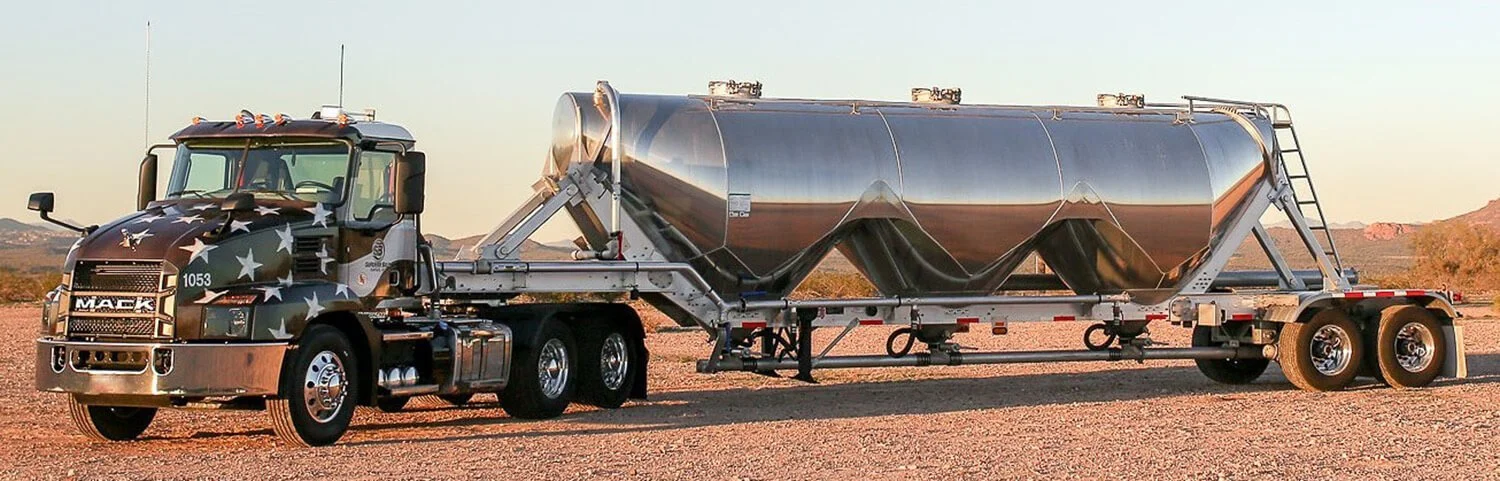
Better logistics coordination is easier to achieve with the integration of large-scale transport into transport processes. By grouping deliveries, businesses can lower shipping expenses and quicken transit schedules. Mass hauling allows for the shipping of larger quantities of goods in fewer trips, reducing the hassle involved in numerous deliveries. This effectiveness makes possible better inventory management, as companies can get and send out goods with greater speed.
In addition, bulk trucking improves coordination and cooperation among logistics collaborators. With fewer carriers involved, monitoring deliveries is easier, resulting in better transparency and more rapid responses to emerging difficulties. The dependability of bulk trucking also makes certain that goods arrive at their destinations in excellent shape, minimizing the possibility of damage or hold-ups. Taken together, adding large-scale hauling into logistics planning creates a more unified and streamlined transport system, helping companies and their clientele equally.
Questions and Answers
What Types of Goods Are Best Suited for Bulk Trucking?
Mass transport is perfect for shipping high volumes of cargo such as farm produce, construction materials, chemicals, and groceries. These goods benefit from streamlined, affordable transport options, minimizing manipulation and minimizing overall transportation costs.
What Is the Process for Finding a Trustworthy Mass Hauler?
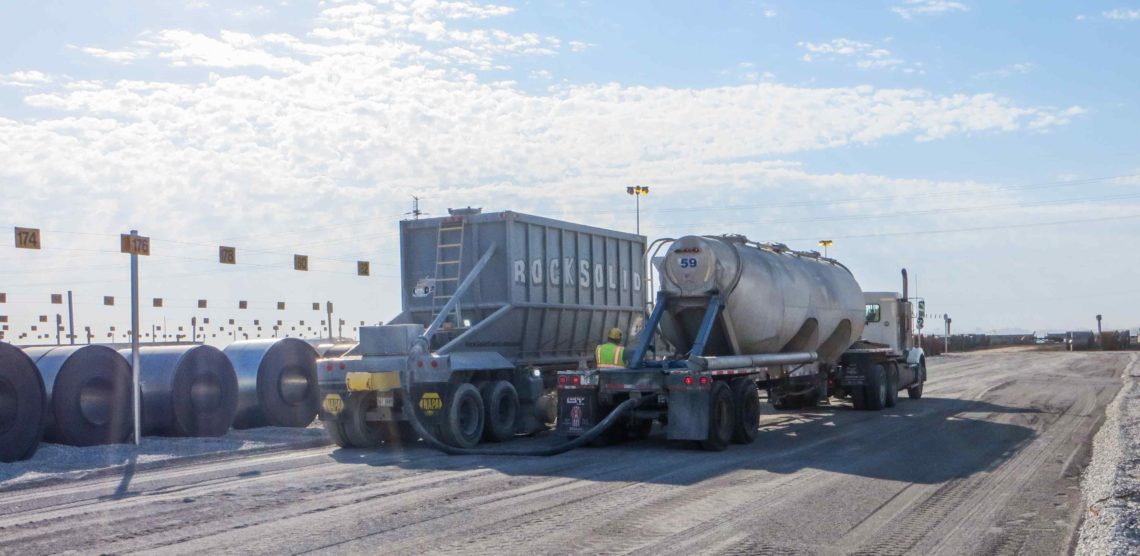
To find a trustworthy logistics firm, one should research online reviews, solicit advice from other businesses, evaluate certifications, and compare quotes - Illinois top rated Bulk Trucking. Additionally, checking the hauler's background and truck capacity is crucial to selecting wisely
How Long Does It Usually Take for Bulk Shipments?
The average transit time for bulk shipments usually falls between 24 to 72 hours, depending on distance, road quality, and the kind of goods. Fluctuations find the facts in these conditions can affect delivery schedules considerably.
Are There Limits on Mass for Mass Transport Shipments?
Yes, bulk trucking loads are usually subject to weight limits, which vary by state and equipment used. Illinois top rated Bulk Trucking. Guidelines ensure safety and compliance, usually capping loads to around 40 tons for conventional transport on major roads
Can Bulk Trucking Accommodate Temperature-Sensitive Shipments?
Absolutely, bulk trucking can manage goods requiring climate control through the use of specialized equipment, including reefer units. This capability ensures that temperature-dependent items keep their required temperatures during transit, safeguarding their condition and quality.